
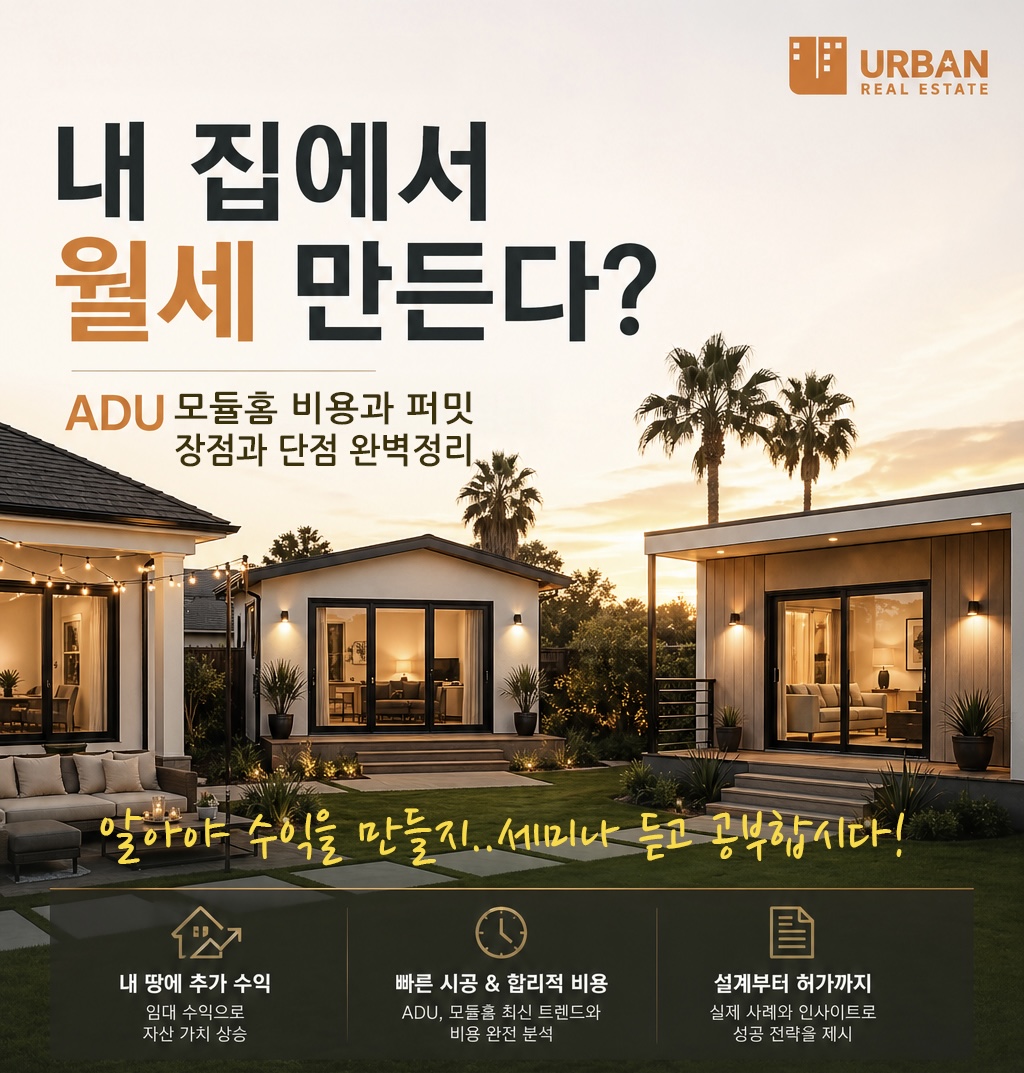
Una forma practica de agregar espacio
Las ADU y las casas modulares pueden ayudar a los propietarios a crear espacio adicional sin mudarse a una propiedad mas grande. Para muchas familias, ese espacio adicional puede apoyar vivienda multigeneracional, una oficina privada, alojamiento para invitados o un posible uso de renta.
Los proyectos mas solidos comienzan con un proposito claro. Una unidad disenada para uso familiar, ingresos de renta a largo plazo o flexibilidad futura de reventa tendra distintas prioridades de planeacion, presupuesto y diseno.
- Definir si el espacio sera para familia, ingresos de renta o flexibilidad a largo plazo
- Revisar acceso, privacidad, estacionamiento, servicios y circulacion exterior desde el inicio
- Crear un presupuesto realista que incluya diseno, permisos, trabajo de sitio y mejoras de servicios
Por que la construccion modular puede ayudar
Las casas modulares pueden ofrecer un proceso de construccion mas controlado porque gran parte de la estructura se construye fuera del sitio antes de la instalacion final. Esto puede reducir algunos retrasos por clima y hacer que partes del calendario sean mas predecibles.
Aun asi, el sitio sigue siendo importante. La cimentacion, conexiones de servicios, acceso de entrega, inspecciones y requisitos locales pueden influir tanto en el calendario como en el costo total.
Planear primero la estrategia inmobiliaria
Una ADU o casa modular debe encajar con la propiedad, el vecindario y los objetivos financieros del propietario. Antes de comprometerse con un diseno, los propietarios deben entender como la unidad adicional puede afectar el uso, financiamiento, seguro, administracion y valor futuro en el mercado.
Urban Real Estate ayuda a los clientes a pensar en la estrategia inmobiliaria antes de que el proyecto avance demasiado en diseno o construccion, para que el espacio terminado apoye tanto las necesidades diarias como el valor a largo plazo.