
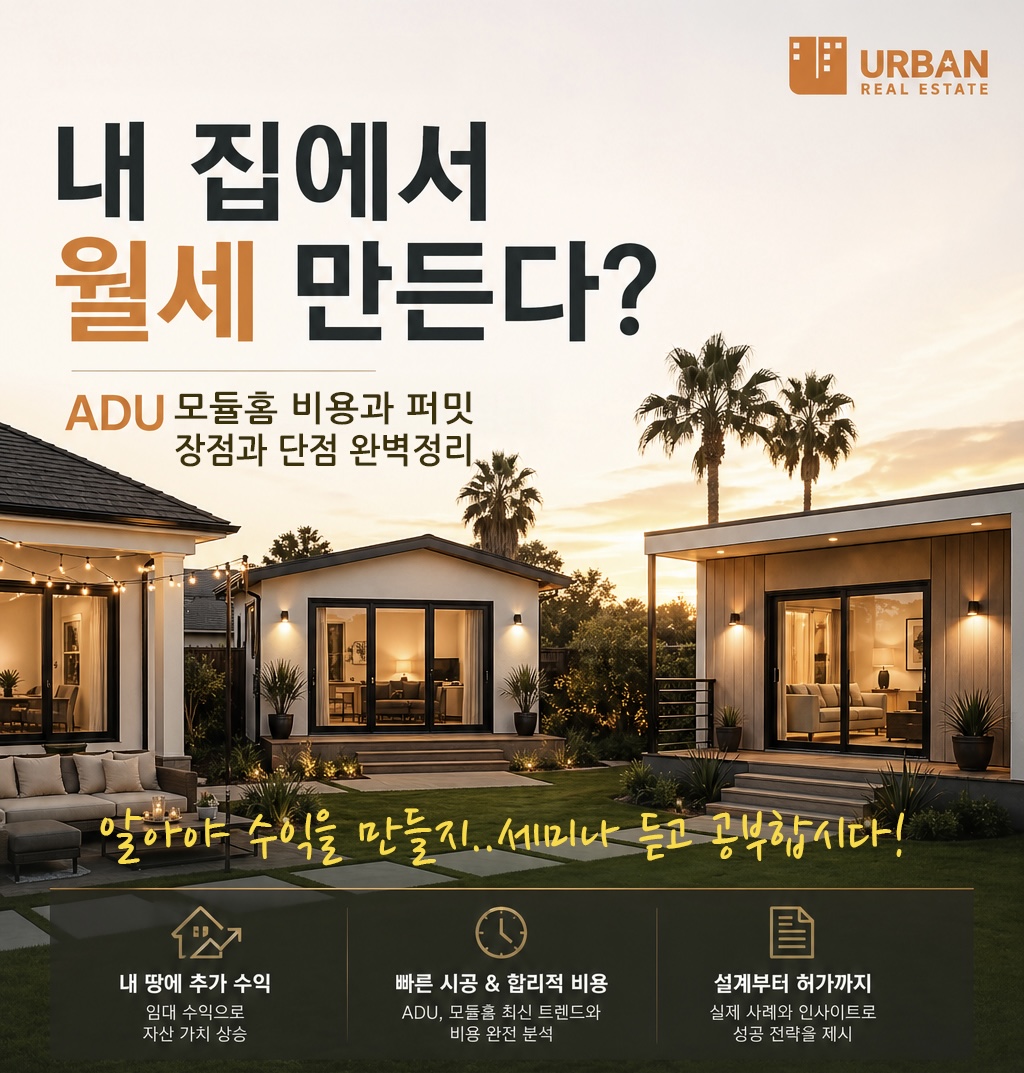
A practical way to add space
Accessory dwelling units and modular homes can help homeowners create additional living space without moving to a larger property. For many families, that extra space can support multigenerational living, a private work area, guest accommodations, or a potential rental use.
The strongest projects begin with a clear purpose. A unit designed for family use, long-term rental income, or future resale flexibility will follow different planning, budget, and design priorities.
- Define whether the space is for family, rental income, or long-term flexibility
- Review access, privacy, parking, utilities, and outdoor circulation early
- Build a realistic budget that includes design, permits, site work, and utility upgrades
Why modular construction can help
Modular homes can offer a more controlled construction process because much of the structure is built off-site before final installation. This can reduce some weather delays and make parts of the schedule more predictable.
That said, the site still matters. Foundation work, utility connections, delivery access, inspections, and local approval requirements can shape both timeline and total cost.
Plan the real estate strategy first
An ADU or modular home should fit the property, the neighborhood, and the owner's financial goals. Before committing to a design, owners should understand how the added unit may affect use, financing, insurance, management, and future marketability.
Urban Real Estate helps clients think through the real estate strategy before the project moves too far into design or construction, so the finished space supports both day-to-day needs and long-term value.